Winnipeg, located in the heart of Manitoba, Canada, is a city rich in historical heritage and cultural depth. Known as Canada’s “Cultural Capital,” the city’s museums, galleries, and natural landscapes attract visitors from all over the world. However, to make the most of your visit, it’s also important to avoid common tourist pitfalls. I’ll provide a detailed guide to the best time to visit Winnipeg, as well as a route guide to help you avoid some common travel pitfalls, ensuring your trip is smooth and enjoyable.
I. The Best Time to Visit Winnipeg
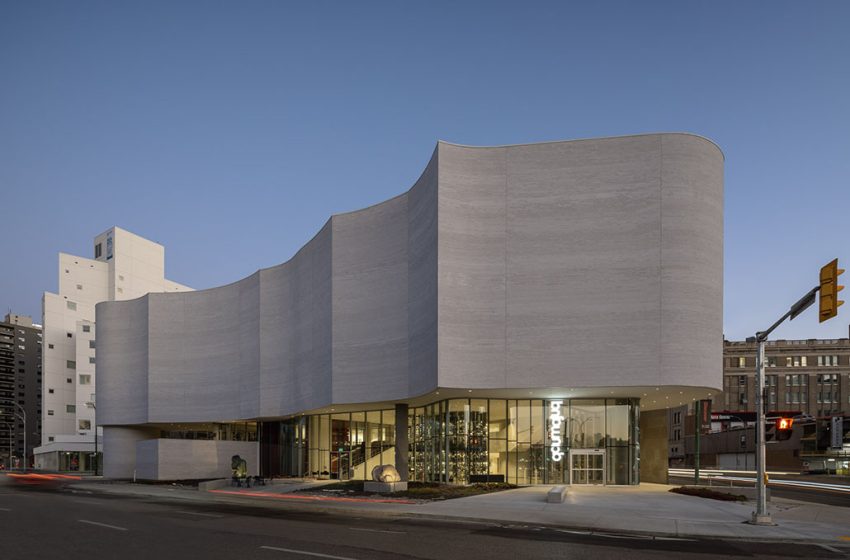
- Spring (March – May) Spring in Winnipeg is a transitional season where the snow begins to melt and the city gradually awakens from its long winter slumber. Temperatures in March can still feel wintry, ranging from -10°C to -5°C, but by April and May, it becomes more temperate, typically between 5°C and 15°C. This shoulder season sees fewer tourists, offering a quieter, more peaceful atmosphere ideal for exploring indoor cultural attractions. The Canadian Museum for Human Rights and the Winnipeg Art Gallery are must-visits, and you’ll find fewer lines and more space to enjoy the exhibits. Early spring also provides a final chance for winter activities like snowshoeing and skating on the river trail, especially in March. As the ice thaws, city parks begin to show signs of life, with budding trees and the return of migratory birds—making it a great time for nature photography and peaceful walks along the riverbanks.
- Summer (June – August) Summer in Winnipeg is full of life, with warm weather ranging from 20°C to 30°C, perfect for exploring the city’s many outdoor offerings. As the peak tourist season, summer brings an energy that pulses through street festivals, outdoor concerts, and patio dining. The Winnipeg International Jazz Festival draws global talent and features both free and ticketed performances, creating a vibrant city-wide celebration. Though Festival du Voyageur primarily occurs in winter, its cultural influence continues through summer exhibits and community events, particularly in the French-speaking district of St. Boniface. Water lovers will find plenty to do—kayaking, stand-up paddleboarding, and boat tours on the Red and Assiniboine Rivers. Popular destinations like The Forks and Assiniboine Park bustle with activity, so early mornings or weekday visits are best for avoiding crowds. Don’t forget sun protection and a light rain jacket, as summer can bring sudden thunderstorms and humid days.
- Winnipeg International Jazz Festival: Held in June or July, this festival attracts music lovers from around the world. You can enjoy jazz performances on outdoor stages.
- Festival du Voyageur: Although it’s a winter festival in February, some activities continue into the summer, showcasing Winnipeg’s French-Canadian culture.
- Water Activities: If you enjoy water activities, you can head to the Red River and Assiniboine River for canoeing, kayaking, and other water sports, taking in the tranquil rivers and lakes.
While summer is ideal for many, it can also be quite humid, so it’s wise to pack a rain jacket. Although it’s a prime time for tourism, crowds around popular sites can be overwhelming, so consider visiting during off-peak hours if you prefer a quieter experience.

- Fall (September – November) Fall in Winnipeg is a season of crisp air, vibrant foliage, and a slower, more reflective pace. In September and October, temperatures hover between 10°C and 20°C, offering ideal weather for outdoor exploration. By November, colder winds bring the mercury down to around 0°C, signaling the approach of winter. The city’s parks—especially Assiniboine Park and Kildonan Park—turn into golden wonderlands, attracting photographers and nature lovers alike. It’s also a fantastic time for hiking or biking through forested trails near the city. Fall events such as harvest festivals and local farmers’ markets highlight the region’s produce and artisanal foods. With summer crowds gone, this is the best season for slow travel—whether that means enjoying coffee in a cozy café in the Exchange District or taking a self-guided heritage tour through Winnipeg’s historical neighborhoods. Museums and galleries remain open year-round, offering warm indoor escapes on chilly days.
- Winter (December – February) Winter in Winnipeg is a true northern experience, defined by icy beauty, festive spirit, and brisk temperatures between -10°C and -20°C, often dipping below -30°C. Snow blankets the city, transforming it into a magical white landscape, especially under clear blue skies. Despite the cold, Winnipeg embraces the season with enthusiasm. Outdoor skating trails, particularly the world-renowned river trail that winds through downtown, offer a unique way to see the city. Winter activities abound: snowmobiling, cross-country skiing, ice fishing, and even curling pop up across public spaces and parks. The Festival du Voyageur in February is the crown jewel of the season—a celebration of Métis and French-Canadian culture with ice sculptures, traditional music, and hearty food like tourtière and maple taffy. For those unaccustomed to cold, proper gear is essential—layered clothing, thermal wear, and insulated boots are a must. While days are short, the long nights often reveal shimmering northern lights outside city limits, offering an unforgettable sight.
II. Winnipeg Pitfall-Free Travel Guide
- Avoid Overcrowded Tourist Spots
While Winnipeg boasts many iconic landmarks such as The Forks or the Canadian Museum for Human Rights, these places often become packed during peak tourist seasons, especially in the summer months and on weekends. Instead of battling crowds, consider exploring some quieter, equally enriching alternatives.
The Red River Museum: Tucked away from the main tourist flow, this lesser-known museum offers a peaceful space to dive into Winnipeg’s layered history, including Indigenous heritage, Métis culture, and the city’s early colonial days. Interactive displays, archival photographs, and local artifacts make it a rewarding visit for history buffs.
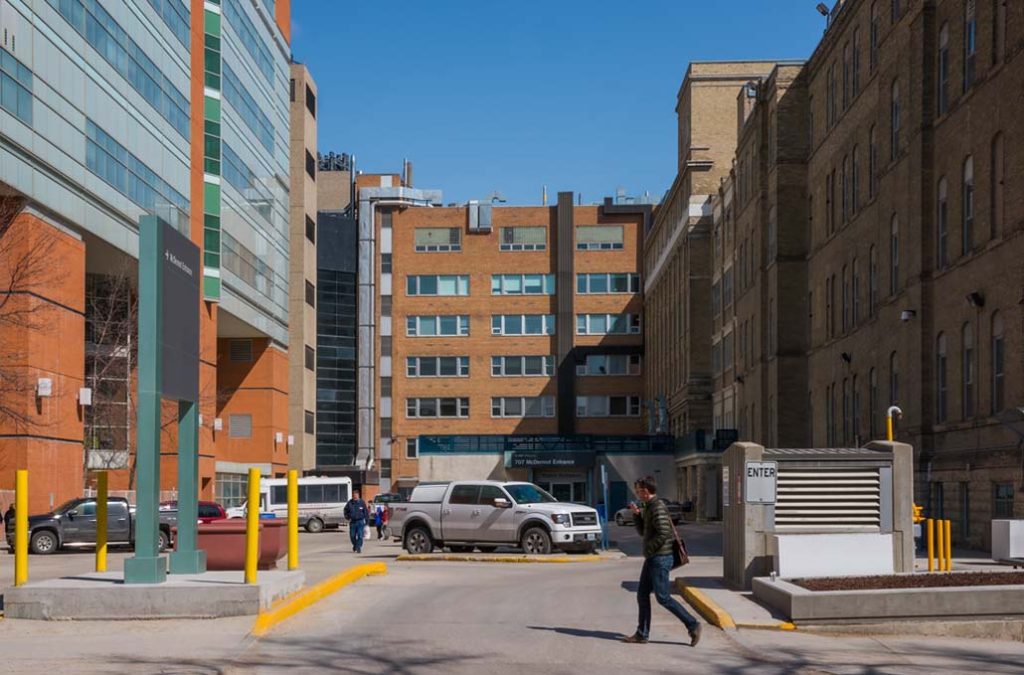
McDermot Avenue: Located in the heart of the Exchange District, this historic street is lined with beautifully preserved 19th-century architecture, vintage shops, art galleries, and cozy cafés. It’s a charming alternative to busy shopping centers and offers a relaxing, picturesque walk that brings Winnipeg’s old-world character to life.
2. Avoid Limited Dining Options
Although chain restaurants may seem like a safe bet, Winnipeg’s culinary scene is far too rich and varied to pass up. Avoid settling for generic fast food and instead dive into the flavors of the local food culture, where Indigenous recipes, Ukrainian dishes, and prairie-inspired creations dominate the table.
The Forks Market: While it’s a popular destination, it’s still worth visiting for its variety of independent food stalls and artisanal vendors. Whether you’re craving bannock tacos, locally roasted coffee, or vegan poutine, this lively food hall caters to all tastes and offers a fantastic sampling of Winnipeg’s diverse palate.
VJ’s Drive Inn: This no-frills, iconic burger stand has been a city favorite for decades. Located downtown, it serves up juicy burgers, crispy fries, and indulgent fried meat pies that locals swear by. Eat at the counter or take your food to a nearby park for a casual, authentic Winnipeg lunch experience.
3. Don’t Overlook the City’s Natural Attractions
Winnipeg may be known as a cultural and historical hub, but it also offers beautiful green spaces and serene landscapes that are perfect for outdoor lovers. Many travelers focus solely on urban attractions, overlooking the natural beauty that’s just minutes from the city center.
Assiniboine Forest: One of the largest urban forests in Canada, this nature escape spans more than 700 acres. It’s home to deer, birds, and wildflowers, and features extensive walking and biking trails. The changing seasons bring new magic to the area—fall’s golden foliage, winter’s peaceful snow-covered paths, and spring’s fresh blooms all offer unique experiences.
FortWhyte Alive: A true gem for nature enthusiasts, this eco-conscious park combines environmental education with outdoor fun. Canoeing, snowshoeing, and bison-spotting are just a few of the activities available here year-round. The interpretive center and sustainable farming displays make it ideal for families and curious travelers alike.
4. Be Prepared for Changing Weather Winnipeg’s weather can be unpredictable, especially in spring and fall, with temperatures often fluctuating drastically. Be sure to check the weather forecast before your trip and pack accordingly, including extra layers for any sudden temperature drops. In winter, make sure to bring suitable winter clothing to stay warm during outdoor activities.
No matter whether it’s the warmth of spring, the festivals of summer, the scenic beauty of fall, or the winter sports of the cold months, Winnipeg has something special to offer every visitor. By avoiding common travel pitfalls, understanding the best times to visit, and preparing well for your journey, you can ensure a smooth and enjoyable trip to this fascinating Canadian city.