
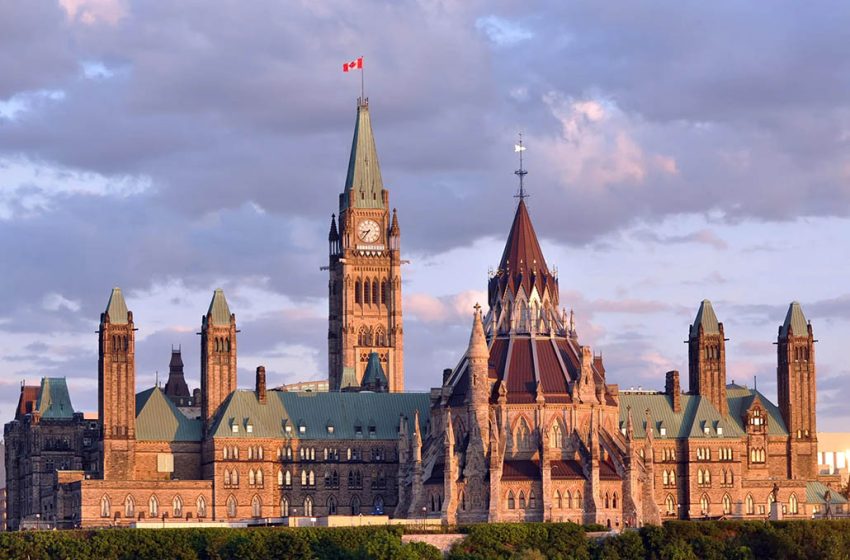
Ottawa, located in Ontario, Canada, is the country’s capital. Although its scale may seem smaller compared to cities like Vancouver and Montreal, Ottawa is the political, historical, and cultural heart of Canada. From the majestic Parliament Hill to the history-laden museums and the changing landscapes through the four seasons, Ottawa offers a diverse range of experiences for visitors. The city beautifully blends modernity with tradition, with scenic rivers, national parks, and iconic landmarks that capture Canada’s essence. Its vibrant festivals and artistic scene further enhance its appeal, offering something for every traveler.
1. The Historical Evolution of Ottawa
Ottawa, as Canada’s capital, has a long and rich history. To better understand the city, it’s essential to start with its historical development.
1.1 The Birth of Ottawa
Ottawa began as a small trading post. The first settlement in Ottawa was established in the early 19th century, and the indigenous Algonquin people were the region’s original inhabitants. By the late 18th and early 19th centuries, the Ottawa River had become an essential transportation route, which helped foster the early settlements and economic development of the area. As the British colonies expanded, Ottawa gradually emerged as an important trading and transportation hub.
1.2 The Background Behind Ottawa Becoming the Capital
Before Canada’s independence, the seat of government in British North America was not fixed. In 1857, Queen Victoria of the United Kingdom decided to make Ottawa the capital of Canada, despite the city not standing out as particularly important at the time. There were several reasons behind this decision, the most significant being Ottawa’s strategic geographical location. Situated in eastern Canada, Ottawa was well-positioned for defense against American attacks while maintaining ties to the British Empire. Additionally, Ottawa was neutral, lying between the French-speaking Quebec and English-speaking Ontario, which allowed it to balance the two major cultural groups.
1.3 Ottawa’s Political Development
After becoming the capital, Ottawa underwent rapid urbanization and modernization. Although Ottawa’s economy in the late 19th and early 20th centuries was largely based on the timber industry, with the maturation and stability of Canada’s political system, Ottawa gradually became the core of the Canadian government. Today, Ottawa stands not only as the political symbol of Canada but also as a popular tourist destination thanks to its cultural heritage and natural landscapes.
2. Ottawa’s Cultural and Historical Heritage
Ottawa is a significant repository of Canadian culture and history, boasting a wealth of well-preserved historical buildings, museums, art galleries, and cultural landmarks. Let’s explore some of Ottawa’s cultural gems.
2.1 Parliament Hill: The Political Heart of Canada
Parliament Hill is one of Ottawa’s most iconic structures and the center of Canadian politics. Located by the Ottawa River, the hill is home to grand architecture consisting of three main buildings: the East Block, the West Block, and the Centre Block. This is the seat of the federal government and the epicenter of political activity in Canada. Visitors can tour the buildings, learn about Canadian politics and government operations, and even watch parliamentary sessions during specific times.
The history of Parliament Hill dates back to 1859, when it housed the administrative institutions of the Canadian government. Today, Parliament Hill is not only a government hub but also a must-see destination for tourists. Visitors can enjoy guided tours, explore the House of Commons, and take part in Canada Day celebrations on July 1st, which include fireworks, concerts, and various cultural activities.
2.2 The Canadian Museum of History: A Treasure Trove of History and Culture
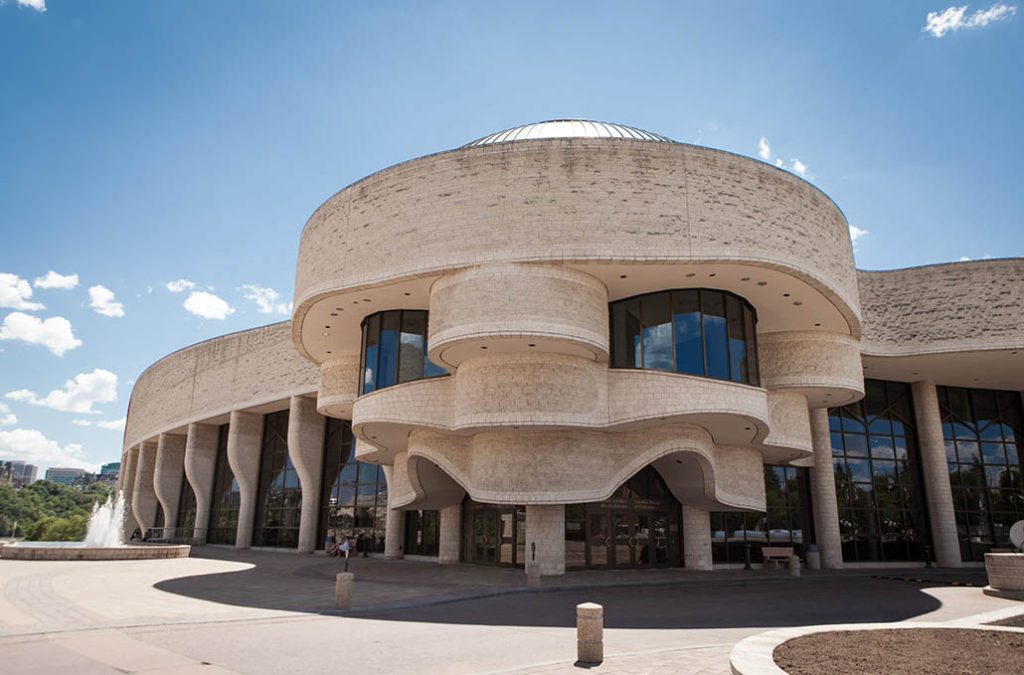
The Canadian Museum of History, located in Gatineau just across the river from Ottawa, is one of the city’s most important museums. It showcases Canada’s history and culture from pre-Columbian times to the present. This museum is an excellent place to learn about Canada’s multicultural identity.
The exhibits cover a wide range of topics, including indigenous cultures, the impact of European immigration, and Canada’s societal changes. One of the highlights is the Indigenous Peoples exhibition, which displays art, tools, and artifacts from various native tribes. The museum also hosts temporary exhibitions on art, technology, history, and other subjects, making it a great cultural experience for visitors.
2.3 The Canadian War Museum: A Footprint of History
The Canadian War Museum is dedicated to the nation’s military history, particularly the involvement of Canada in major conflicts from World War I to the present. The museum houses a wealth of war-related artifacts, photographs, and historical records, providing an in-depth look at Canada’s military history and its impact on the nation and its people.
The museum is located in central Ottawa, and its modern architecture symbolizes Canada’s national war memorial. Visitors can gain a better understanding of the history of war and reflect on the importance of peace while honoring the contributions of soldiers.
2.4 ByWard Market: A Taste of Local Ottawa Life
ByWard Market is one of Ottawa’s oldest and most vibrant markets, with over 150 years of history. The market offers a wide variety of goods, from fresh produce to handcrafted items and Canadian specialties. It is the perfect place to experience the local atmosphere and get a taste of Ottawa’s everyday life.
On weekends, the market comes alive with locals and tourists alike, sampling fresh produce, enjoying Canadian snacks, and shopping for unique artisanal goods. The lively atmosphere and enthusiastic vendors make it a delightful place to explore.
2.5 Cultural Events in Ottawa
Ottawa hosts a variety of cultural events throughout the year, with the most famous being the Ottawa International Film Festival, the Ottawa Music Festival, and Winterlude, the city’s massive winter celebration. Winterlude attracts tourists from around the world, and during this event, the Rideau Canal transforms into the world’s longest ice skating rink, where visitors can enjoy skating, ice sculpture displays, and other winter activities.
Additionally, Ottawa is home to several art galleries and cultural centers, including the National Gallery of Canada and the Ottawa Art Gallery, which showcase a wide range of Canadian artworks and provide important insights into the development of Canadian art.
3. Ottawa’s Natural Landscapes
Ottawa’s natural landscapes add a special dimension to the city. Whether it’s the warm spring and summer months or the chilly autumn and winter seasons, Ottawa offers an array of outdoor activities to enjoy.
3.1 The Ottawa River and Rideau Canal
The Ottawa River is one of the city’s most significant natural features. Not only does it offer scenic water views, but it also played an essential role in Canada’s history as a major shipping route. Visitors can take boat tours along the river to enjoy the natural beauty and historical architecture lining the riverbanks.
The Rideau Canal is another famous spot in Ottawa. During the summer, the canal is a hub for boating and kayaking enthusiasts. In winter, it freezes and becomes the world’s longest skating rink, attracting thousands of skaters from all over the world.
3.2 Parks and Green Spaces in Ottawa
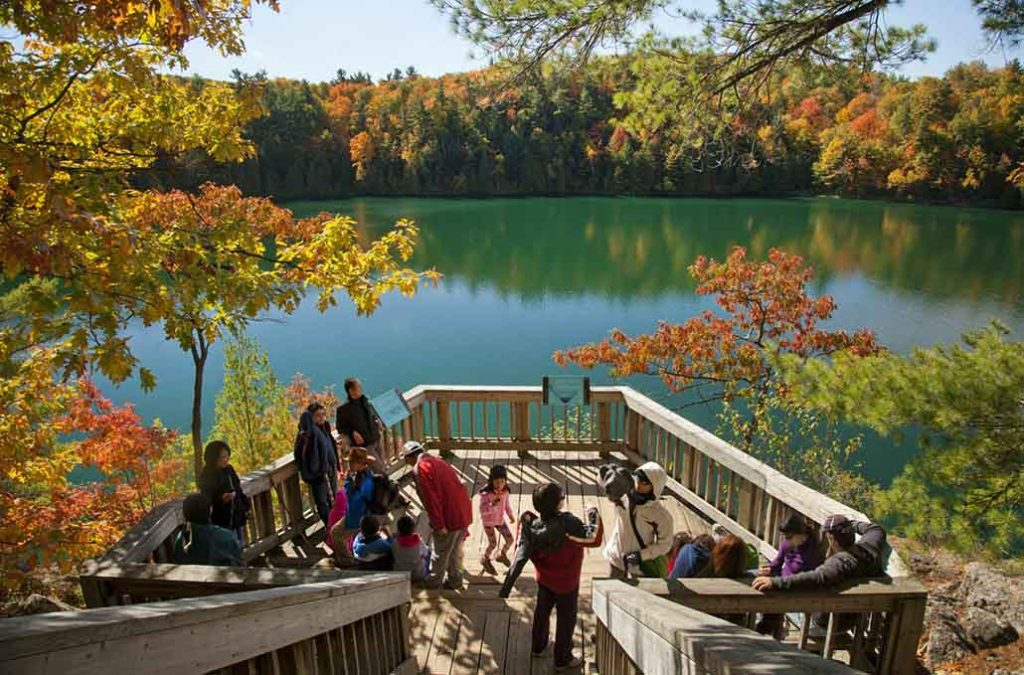
Ottawa is home to numerous parks and green spaces, with the most notable being Gatineau Park and Victoria Island. Gatineau Park is a large natural reserve offering hiking, wildlife watching, and various outdoor activities. It is an ideal destination for nature lovers and adventure enthusiasts.
3.3 The Seasonal Changes of Ottawa
Ottawa experiences distinct seasons, with warm summers ideal for outdoor activities and cold winters that provide opportunities for skiing and ice skating. During spring and autumn, the city’s parks and gardens are adorned with colorful flowers and foliage, making it a perfect time for photography and leisurely strolls.
4. Ottawa’s Culinary Culture
Ottawa, a multicultural city, offers a wide variety of food options that blend global cuisines. From traditional Canadian dishes to international fare, Ottawa has something to satisfy every palate.
4.1 Classic Canadian Cuisine
Some classic Canadian dishes include maple syrup, ice wine, and venison. Ottawa’s restaurants often serve authentic Canadian cuisine, with an emphasis on fresh, local ingredients and organic foods, offering a delicious and healthy dining experience.
4.2 International Culinary Delights
Thanks to Ottawa’s multicultural atmosphere, the city’s restaurants offer a broad range of international cuisines. Whether it’s French, Italian, Middle Eastern, or Asian, visitors can enjoy a variety of global dishes that bring diverse flavors to the Canadian capital.
4.3 Ottawa’s Bars and Restaurants
Ottawa boasts a vibrant nightlife scene, with many bars and restaurants offering unique drinks and snacks. These spots are perfect for both locals and tourists to relax and unwind after a day of exploring the city.
Ottawa, as the political and cultural center of Canada, offers not only rich historical heritage but also stunning natural beauty and diverse cultural experiences. From Parliament Hill to ByWard Market, from the Canadian Museum of History to the Ottawa River, the city provides an abundance of attractions for tourists. Whether you’re a history buff, a culture seeker, or a nature lover, Ottawa guarantees an unforgettable travel experience.