
As Canada’s capital, Ottawa is a city rich in history, culture, and natural beauty. From the grand Parliament buildings to picturesque parks along the Rideau Canal, the city offers something for every type of traveler. However, to fully enjoy what Ottawa has to offer, understanding its transportation systems and public amenities is key. Well-developed infrastructure and user-friendly transit options make navigating the city straightforward, whether you’re here for a weekend getaway or a longer cultural immersion.
1. Overview of Public Transportation: Efficient and Accessible
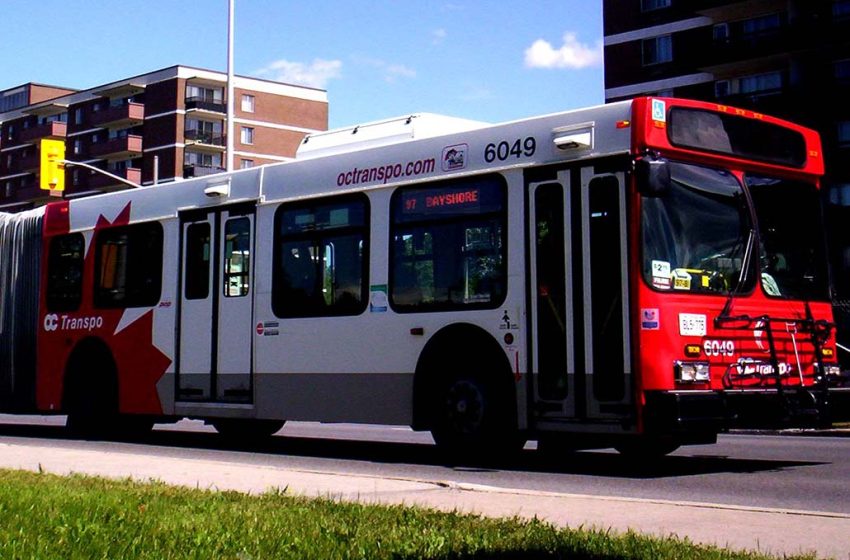
Ottawa’s public transportation system is modern, safe, and well-integrated. Managed by OC Transpo, the network includes buses, light rail, and connections to surrounding municipalities. Whether you’re commuting to a meeting downtown or heading to the suburbs for sightseeing, transit in Ottawa is designed to accommodate both residents and visitors with accessibility features such as low-floor buses, real-time route updates, and multilingual support at major stations. The city’s approach to sustainable transportation ensures eco-friendly travel options are also prioritized, including hybrid buses and dedicated bike lanes near transit hubs.
1.1 OC Transpo Bus Network
The OC Transpo bus network is the backbone of Ottawa’s public transit system, with over 100 routes covering urban and suburban areas.
- Rapid Routes: These high-frequency buses run every few minutes during peak hours, linking vital parts of the city. Routes like the 95 and 97 are favorites among commuters, providing quick access to Parliament Hill, the Rideau Centre, and Ottawa International Airport.
- Local Routes: Ideal for short-distance travel, these buses ensure residents and travelers can reach grocery stores, libraries, schools, and community centers with ease.
- Night Service: OC Transpo’s late-night routes are a reliable option for those out enjoying Ottawa’s nightlife or working late shifts. Night buses run at consistent intervals and stop at major intersections, ensuring safety and convenience during off-hours. All buses are equipped with GPS tracking and onboard announcements for smoother navigation.
1.2 O-Train Light Rail System
Ottawa’s O-Train system provides a fast and convenient way to traverse the city, especially during rush hours.
- Line 1 (Confederation Line): This electric light rail line runs through the heart of the city from Tunney’s Pasture in the west to Blair Station in the east. It includes major stops like Rideau (for the ByWard Market) and uOttawa, making it a prime choice for both tourists and daily commuters. Underground stations are clean, climate-controlled, and equipped with elevators and escalators.
- Line 2 (Trillium Line): This diesel-powered line serves the southern part of Ottawa, with plans for major extensions to the airport and Riverside South. The line offers a quieter ride and connects to Line 1 at Bayview Station, ensuring easy transfers. Its stations are more spaced out but provide essential access to healthcare facilities, schools, and nature areas.
1.3 Connection to Gatineau
The Ottawa-Gatineau region functions as a single metropolitan area despite spanning two provinces.
• For travel into Gatineau, the Société de transport de l’Outaouais (STO) operates a robust bus network that integrates smoothly with OC Transpo. Travelers can transfer between the two systems using a Presto card or an STO Multi card, eliminating the hassle of buying multiple tickets.
• Popular STO routes cross the Alexandra and Portage Bridges, bringing you to destinations like the Canadian Museum of History and Gatineau Park. Timetables are coordinated to ensure minimal wait times between connections.
• The integration of fare systems, shared bus lanes, and bilingual signage at stops ensures a seamless experience for those commuting across the river for work, leisure, or sightseeing.

2. Fare Options and Transit Passes: Simplifying Your Journey
Understanding fare options can save time and money during your stay.
2.1 Single Ride and Day Passes
- Single Ride: Payable by cash on buses (exact change required) or via ticket machines at O-Train stations.
- DayPass: Offers unlimited travel for one day, ideal for tourists planning multiple trips in a single day.
2.2 Presto Card
The Presto Card, Ottawa’s reloadable smart fare card, is conveniently obtainable at multiple locations throughout the city. Travelers can purchase or reload the card at O-Train stations, select transit customer service centers, participating retailers like Shoppers Drug Mart, or through the Presto website and mobile app. The card can be registered online, offering added security and options for auto-reload, trip history tracking, and balance protection in case of loss.
- Purchase and Reload: Available at O-Train stations, select retailers like Shoppers Drug Mart, and online.
- Usage: Tap the card on the reader upon boarding a bus or entering an O-Train platform. The system will automatically deduct the correct fare based on time of day and rider category (e.g., adult, student, senior). Transfers between OC Transpo and STO are seamless using Presto or linked passes.
- Benefits: In addition to discounted rates compared to cash fares, Presto Card users enjoy features like daily fare caps, monthly passes, and easier transfer options. The card also helps reduce waste from disposable tickets and speeds up boarding time during busy hours.
2.3 Weekend Family Pass
OC Transpo offers a Family DayPass, an excellent value for weekend or holiday travel.
This pass allows up to six people, with a maximum of two adults aged 13 or older, to travel together for a flat, discounted rate. It is valid for unlimited travel on buses and O-Train services from the start of service until the end of the service day. This pass is especially ideal for families or small groups looking to explore Ottawa’s museums, parks, and attractions without worrying about individual fares.
The Family DayPass can be purchased from O-Train ticket machines or by paying onboard the bus. It’s a cost-effective and environmentally conscious way to spend a day exploring Ottawa together.
3. Cycling and Walking: Embracing Eco-Friendly Travel
Ottawa has consistently ranked among Canada’s most livable and eco-conscious cities, thanks in part to its emphasis on cycling and pedestrian infrastructure. The city encourages active travel with safe, scenic, and well-connected routes. Whether you’re a local commuter or a visitor on a leisurely ride, Ottawa makes it easy to ditch the car and embrace the outdoors. The city is also part of the “Bike-Friendly Communities” initiative and regularly upgrades its pathways and signage to improve accessibility for all users.
3.1 Capital Pathway Network
The Capital Pathway Network spans over 600 kilometers of multi-use trails across Ottawa and Gatineau, providing access to parks, historic landmarks, and riverside paths.
Key sections include the Rideau Canal Pathway, Sir John A. Macdonald Parkway, and the Ottawa River Pathway. These paths are ideal for both leisurely cyclists and commuters, and are open year-round (some even cleared in winter). The scenic routes often feature interpretive panels, public art, and shaded rest areas, offering both practical commuting options and enriching recreational experiences. The pathways also connect to many of Ottawa’s cultural institutions, making them a fun and healthy way to explore the city.
3.2 Bike Rentals and Sharing
Although Ottawa’s city-run bike-sharing program was discontinued, visitors and locals still have plenty of rental options.
Private companies such as Escape Bicycle Tours & Rentals and RentABike offer a variety of bikes, including hybrids, e-bikes, tandems, and children’s bikes. Most rental providers are located near downtown or close to popular bike paths, and many offer guided tours or self-guided maps. Helmets, locks, and child seats are typically included. Hourly and daily rental rates are available, catering to different types of travelers, from casual tourists to long-distance cyclists. For those arriving by VIA Rail or at local hotels, concierge services often assist in arranging rentals as well.
3.3 Pedestrian-Friendly Areas
Downtown Ottawa is remarkably walkable, with wide sidewalks, curb cuts, accessible crossings, and several car-free zones.
Notable pedestrian areas include the grounds of Parliament Hill, the ByWard Market, and the scenic walkways along the Rideau Canal, especially during spring tulip season and winter skating months. Wayfinding signage, public seating, and street lighting enhance the safety and comfort of walking. City initiatives like “Open Streets Ottawa” occasionally transform major roads into pedestrian-only boulevards on weekends, encouraging residents and tourists to stroll, cycle, and explore without vehicle traffic. With its compact city core, Ottawa invites exploration on foot at every turn.
4. Public Restrooms: Ensuring Comfort During Exploration
Access to clean public restrooms is essential for travelers.
- Locations: Facilities are available at major transit stations (e.g., Blair, Hurdman, Bayview, Tunney’s Pasture), shopping centers, museums, and parks.
- Maps and Resources: The city provides online maps indicating public restroom locations, aiding in trip planning.
5. Visitor Information Centers: Your Go-To for Assistance
Ottawa’s visitor centers offer valuable resources for tourists.
- Main Center: Located at 54 Elgin Street, open daily from 9 a.m. to 5 p.m., providing maps, brochures, and multilingual assistance.
- Services: Staff can assist with itinerary planning, event information, and transportation guidance.

6. Free Wi-Fi and Digital Tools: Staying Connected
Staying online is convenient with Ottawa’s free Wi-Fi hotspots.
- Public Wi-Fi: Available at city facilities, libraries, and certain transit stations.
- Apps: Utilize the OC Transpo App for real-time transit updates and the Explore Ottawa App for tourist information and navigation.
7. Parks and Green Spaces: Enjoying Ottawa’s Natural Beauty
Ottawa boasts numerous parks and green spaces for relaxation and recreation.
7.1 Major’s Hill Park
Situated near Parliament Hill, this park offers panoramic views, gardens, and picnic areas, serving as a venue for various events.
7.2 Gatineau Park
Located just across the river, Gatineau Park features hiking trails, lakes, and scenic lookouts, providing a natural retreat close to the city.
7.3 Rideau Canal
A UNESCO World Heritage Site, the canal is ideal for walking, cycling, and in winter, ice skating, offering a unique way to experience the city.
8. Accessibility Services: Inclusive Travel for All
Ottawa is committed to providing accessible services for all visitors.
- Transit: OC Transpo buses and O-Train stations are equipped with features to assist passengers with disabilities.
- Public Facilities: Many attractions and public buildings offer accessible entrances, restrooms, and services.
- Resources: The city’s official website provides information on accessible services and facilities to assist in planning your visit.
By familiarizing yourself with Ottawa’s transportation options and public amenities, you can ensure a comfortable and enjoyable experience in Canada’s capital. Whether navigating the city by transit, bike, or on foot, Ottawa offers a welcoming environment for all travelers. From the efficient OC Transpo network and scenic cycling trails to well-maintained public restrooms and helpful visitor centers, the city is designed with convenience and accessibility in mind.