
Planning a trip to Tokyo in earnest wasn’t exactly a spur-of-the-moment decision; rather, it was the realization of a long-held idea.
I had always harbored a complex curiosity about the city: it is at once a hyper-modern metropolis and a living space where order and detail are meticulously preserved.
Yet, the journey didn’t truly begin on the day of departure, but the moment I opened the flight search page. From that instant, the trip had already entered the “booking phase.”
Phase One: Choosing a Flight—More of a Decision-Making Process Than I Imagined
I started by searching for flights to Tokyo. A multitude of options appeared: direct flights, layovers, various time slots, and different airports.
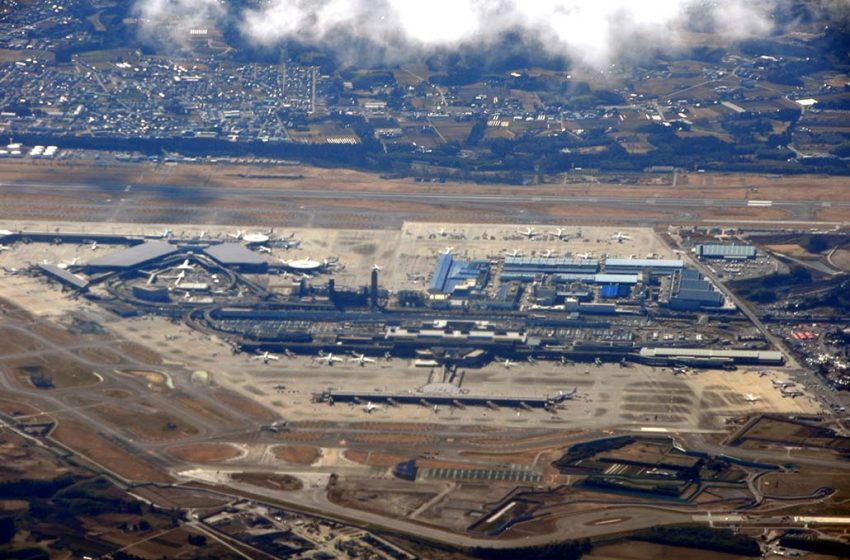
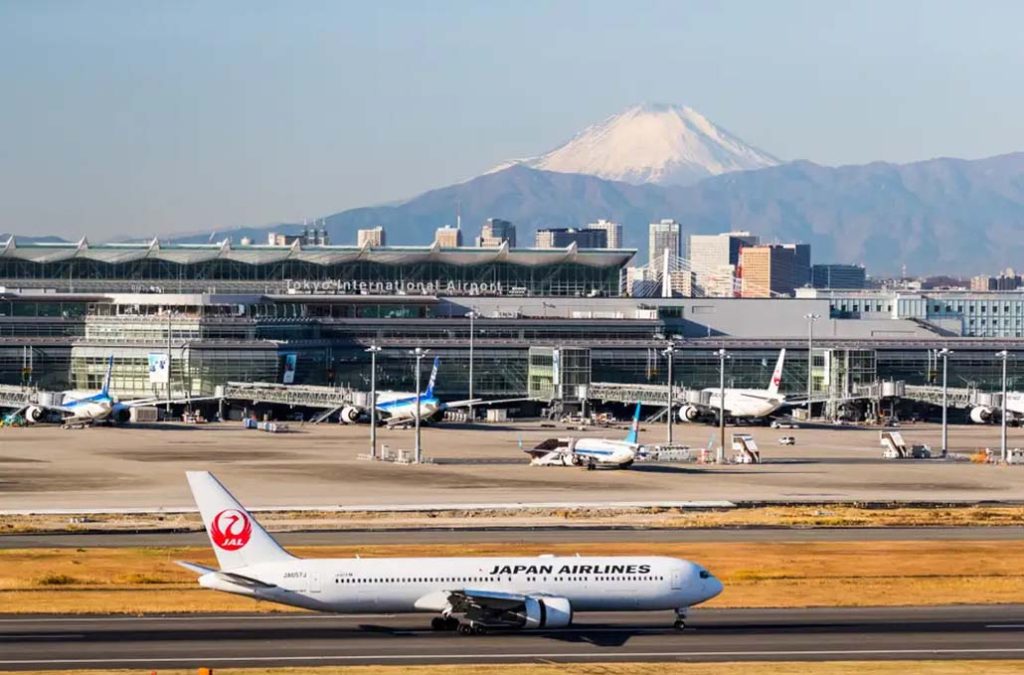
The two primary arrival points are Narita International Airport and Haneda Airport. I didn’t decide immediately; instead, I weighed the options carefully. Flight duration, price, layover times, arrival times—I even factored in the cost of transport from the airport to my hotel.
This process made me realize that booking the ticket is, in itself, part of the journey. You haven’t left yet, but you are already immersing yourself in the logic of your destination.
Direct Flight vs. Layover: Balancing Time and Experience
Initially, I leaned toward direct flights—simple, straightforward, and minimizing uncertainty. But soon, I began to waver. While flights with layovers took longer, they were cheaper, and sometimes even offered the chance to spend time in the transit city.
I began to visualize the two experiences: a direct flight meant diving straight into the rhythm of Tokyo, whereas a layover felt like splitting the journey in two, adding layers to the experience of “arrival.”
Ultimately, I realized this wasn’t merely a rational decision, but a choice of travel style.
Choosing a Cabin Class: A Delicate Balance Between Comfort and Budget
Beyond the route, I also carefully considered the cabin class. Economy, extra legroom, or even business class—each offered a distinct experience.
On a long-haul flight to Tokyo, comfort becomes a very practical concern. This is especially true for overnight flights, where the quality of sleep directly impacts how you feel upon landing. I pored over passenger reviews for various flights: some emphasized seat space, others focused on the meals, and some highlighted the quality of the cabin crew’s service. This information made me realize that an airline ticket isn’t just a simple commodity; it represents a “time-based experience.”
Choosing the departure time: I began “adjusting to Tokyo time” in advance
Flight timing is a crucial factor. An early flight means arriving in Tokyo during the day, whereas a night flight might leave you entering the city feeling exhausted. I even started considering “jet lag adjustment.”
If I chose an evening departure, could I adjust my sleep schedule on the plane? If I arrived during the day, would it impact my itinerary for the first day? This line of thinking made me realize I was already stepping into the rhythm of life in Tokyo.
Price fluctuations: I took a serious look at the “economics of flight timing” for the first time
After refreshing the page multiple times, I discovered that ticket prices aren’t fixed. There are significant price differences for the same route on different dates. Even on the same day, search results vary depending on the time.
I began experimenting with different combinations: booking a week in advance, a month in advance, or departing on different days of the week. The process felt a bit like observing a dynamic market. Ultimately, I came to understand that the ticket price itself is a variable in the overall travel experience.
The final choice: Not the cheapest, but the most “suitable” flight
After several rounds of comparison, I settled on a specific flight to Tokyo. It wasn’t the cheapest or the fastest, but it struck a balance across multiple dimensions: reasonable timing, uncomplicated connections, and a convenient arrival time. More importantly, it gave me a sense of “smoothness” regarding the entire journey.
When I clicked the payment confirmation button, I suddenly had a distinct feeling: the trip had already begun.
After payment: The journey enters an “irreversible phase”
The moment payment is completed is actually quite subtle. The e-ticket appears in your inbox. The flight number, seat assignment, and schedule are all locked in.
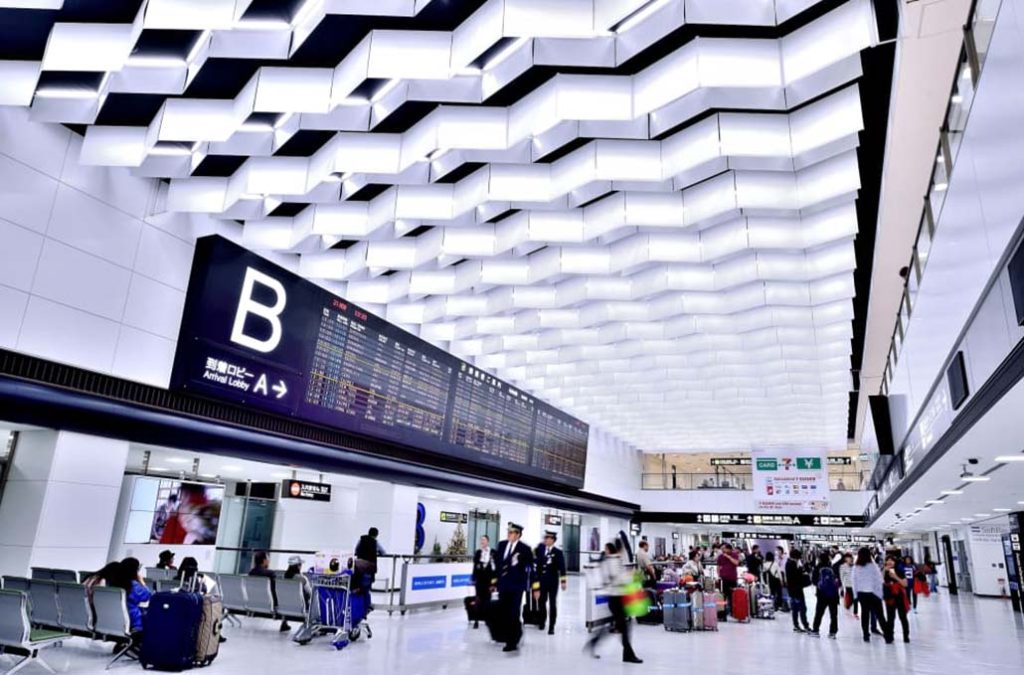
From that moment on, Tokyo ceases to be merely a plan and transforms into an “inevitable event.” I started downloading the airline’s app and checking baggage rules, boarding procedures, and airport transport options. I even began to visualize the scene that would greet me as I stepped out of the exit at Narita or Haneda Airport.
A shift in mindset: From “planning the trip” to “imminent departure”
A distinct shift occurred after booking the flight. The trip moved from the “imagination phase” to the “preparation phase.” I started making lists: passport, visa, hotel, transit pass, and itinerary. At the same time, however, I found myself repeatedly visualizing the flight: the lights at takeoff, the shifting clouds, and the city skyline coming into view before landing. It is a unique state of mind—being physically present in your current reality while your spirit has already flown ahead to the destination.
A flight ticket is, in fact, the true starting point of the journey
Looking back on the entire process, one thing has become increasingly clear to me: the trip to Tokyo didn’t begin when I boarded the plane, but the moment I selected the flight. Booking a flight might seem like a mere administrative task, but it actually alters your sense of time:
You begin to plan for the future, adjust your pace, and tune into the rhythm of another city. Once the ticket is confirmed, the journey has already begun to unfold in reality; the rest is simply a matter of living it out, step by step.