Upon my first visit to Tokyo, I quickly realized one thing: here, a hotel is not merely a place to stay, but a way to understand the city itself.
Tokyo is densely populated yet remarkably orderly. The distinctions between neighborhoods are striking: the fast pace of Shinjuku, the sophistication of Ginza, the traditional atmosphere of Asakusa, the modern openness of the Bay Area, and the quiet domesticity of residential districts.
For this trip, I deliberately chose five hotels of varying styles, each representing a unique “slice” of Tokyo.
From luxury establishments to business hotels, and from design-led properties to stays in traditional neighborhoods, each check-in felt like shifting my perspective on the city.
First Stop: Park Hyatt Tokyo—Immersed in a Cinematic High-Rise Experience
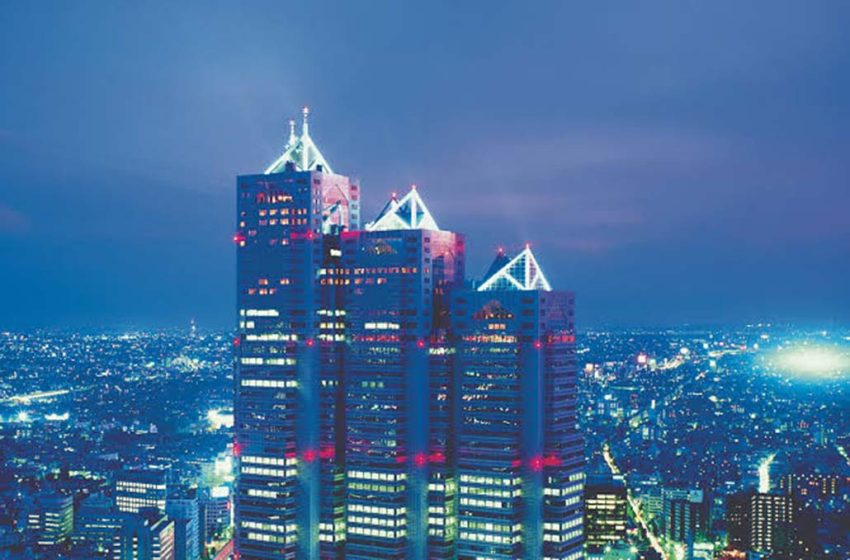
My first stop was the Park Hyatt Tokyo. Nestled among the skyscrapers of Shinjuku, the hotel exudes an air of restraint, tranquility, and high-end elegance.
Stepping into the lobby, the most immediate impression was the profound stillness of the space. It felt like a quiet sanctuary, completely insulated from the frenetic density of Shinjuku outside.
My room was located on an upper floor. Drawing back the curtains revealed Tokyo spread out like a vast, slowly unfurling web of light—a clear urban structure by day, and a shimmering sea of interwoven lights by night.
I loved the night view best. Sitting by the window and gazing at the city required no background music; the cityscape itself was a complete, captivating tableau. In that moment, I understood why so many consider this the most “cinematic” hotel in Tokyo.
Second Stop: The Peninsula Tokyo—Refined Elegance Beside the Imperial Palace
My second stop was The Peninsula Tokyo. Situated near Ginza and the Imperial Palace, the hotel possesses a distinctly refined and elegant atmosphere.
The interiors are bright and airy, and the service flows with a steady, graceful rhythm. The room design leans towards the modern, yet every detail is meticulously considered. Outside the window, the greenery of the Imperial Palace grounds contrasts beautifully with the city’s skyscrapers. During my two-day stay, the pace of life slowed noticeably. I would take morning strolls downstairs, return to my room to rest in the afternoon, and wander casually through the neighborhood in the evening.
This hotel revealed a side of Tokyo that is both quiet and sophisticated—not a clamorous city center, but a living space defined by meticulous care and refinement.
Stop 3: HOSHINOYA Tokyo—Entering a “Japanese Sense of Time”
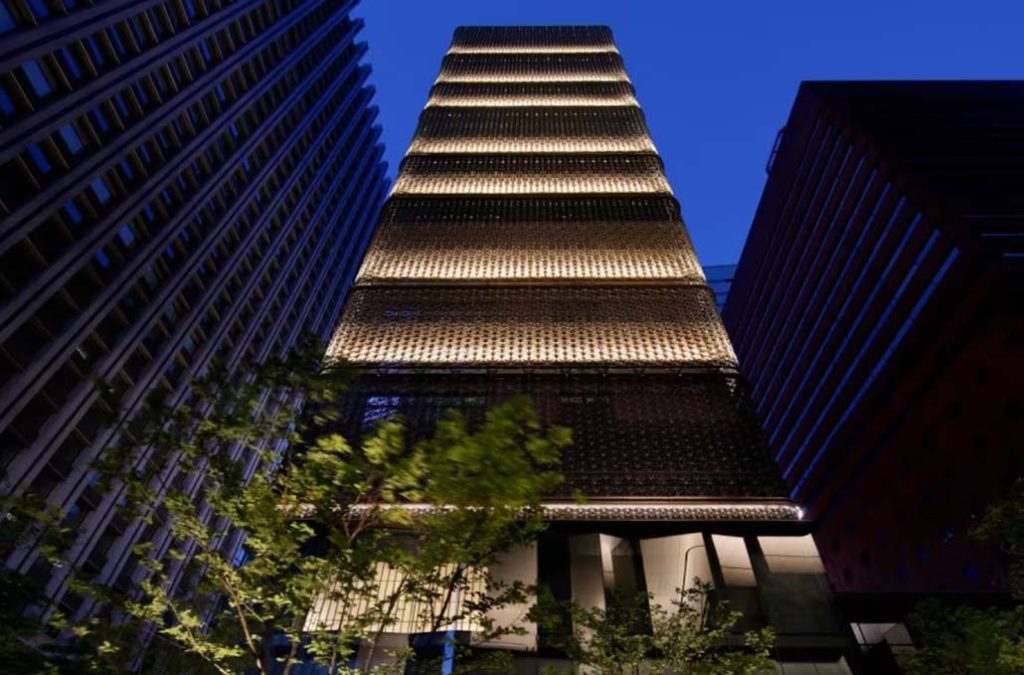
The third hotel is HOSHINOYA Tokyo. Distinctly different from the previous two, this place feels more like a space for cultural immersion.
Located near Otemachi, stepping inside feels like entering another world. The design leans towards the traditional Japanese ryokan style yet incorporates modern structural elements. The rooms resemble “personal living units” rather than standard hotel rooms. I donned the provided yukata and strolled leisurely through the public areas.
Each floor features a small lounge area where one can sip tea, daydream, and gaze out at the city. What makes this place truly special is the “sense of time.” Here, the pace of Tokyo seems to slow down; instead of being driven by the city’s frantic rhythm, you are encouraged to embrace a slower state of being.
Stop 4: Mitsui Garden Hotel Shiodome Italia-gai—An Urban Lifestyle Hotel
The fourth hotel is Mitsui Garden Hotel Shiodome Italia-gai. Situated in the Shiodome district, it is a quintessential hotel that blends business functionality with a lifestyle-oriented atmosphere.
It is more practical than the previous hotels; the rooms are compact but efficiently laid out. Outside the window, one sees an urban tapestry of railway lines, viaducts, and office buildings. My stay here offered a glimpse into “everyday Tokyo.”
In the morning, office workers stream past, while the streets grow quiet at night. The hotel itself doesn’t feel like a destination in its own right, but rather a node within the city—yet it was precisely this functionality that allowed me to experience the authentic side of Tokyo.
Stop 5: Hotel Gracery Shinjuku—The City Center from Godzilla’s Perspective
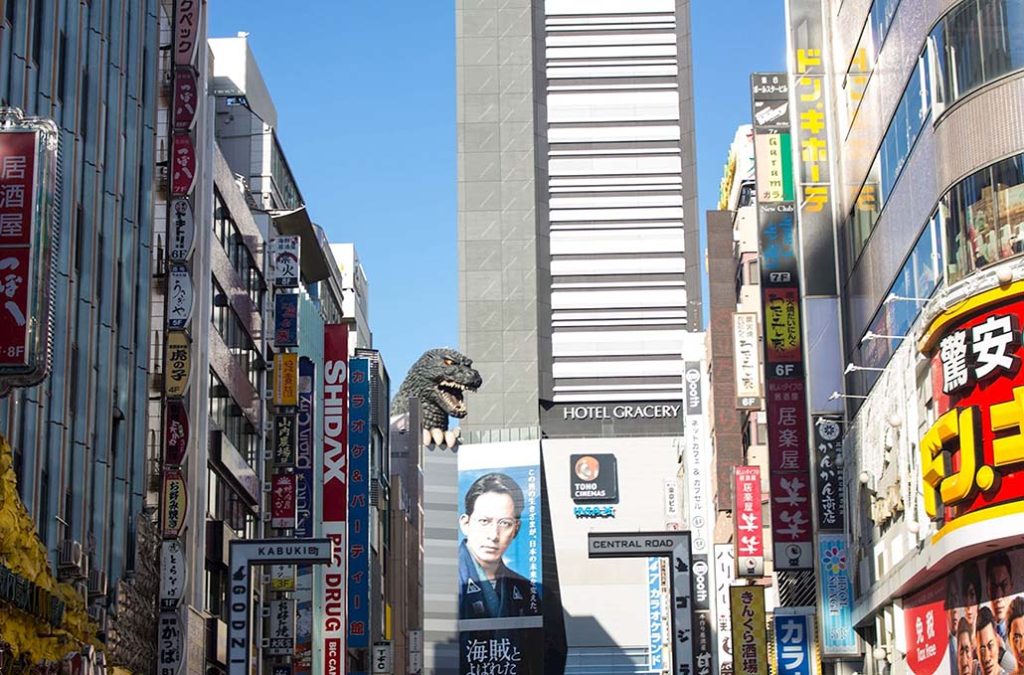
The final stop is Hotel Gracery Shinjuku. Located in the heart of Shinjuku, it is instantly recognizable thanks to the Godzilla statue perched atop the building.
Stepping inside, one immediately senses an “urban entertainment” vibe. While the room design is fairly standard, the location is incredibly central. Outside the window lies the Shinjuku cityscape—a dazzling array of lights at night and a ceaseless flow of pedestrians on the streets below.
One evening, I spent a long time by the window, watching the crowds move in various directions. It was a quintessential Tokyo experience: intense and dense, yet orderly.
Through these hotels, I witnessed the multi-layered nature of Tokyo
As I left Tokyo, I realized that what stayed with me wasn’t any single room, but the different versions of the city revealed by these distinct spaces. Tokyo is not a singular city, but rather a multi-layered structure:
There is the silence of the heights and the flow of the streets; refined order and the rhythm of daily life; the unhurried pace of tradition and the rapid tempo of modernity.
Hotels serve as windows connecting these layers. Through five separate stays, what I witnessed was not merely an “accommodation experience,” but five distinct versions of Tokyo.