
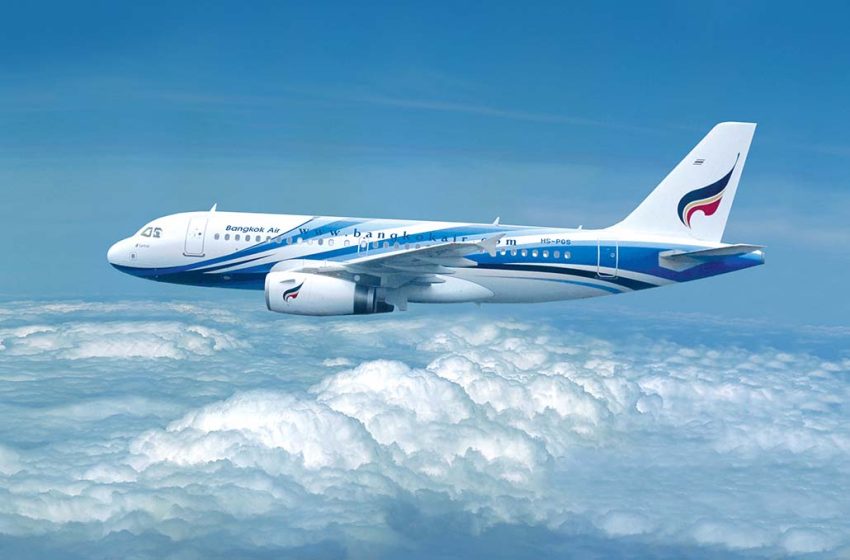
To be honest, before this trip to Bangkok, I had always viewed flying as the most mechanical part of traveling: booking tickets, checking in, going through security, boarding, and then sleeping until arrival. It felt more like a routine procedure than an actual experience.
However, this flight to Bangkok made me realize for the first time that the flight itself is an integral part of the journey—one that directly shapes your first impression of the destination city.
What’s more, I noticed a distinct shift toward greater convenience throughout the trip. From booking and departure to the airport experience and post-landing connections, everything went much more smoothly than I had anticipated.
I. Before Departure: Convenience from Booking to Travel
I booked my flight to Bangkok on my phone well in advance, and the entire process was seamless. Comparing flight options and prices was quick and easy, with no complicated steps involved.
Crucially, many airlines and booking platforms have streamlined the check-in process. I completed my check-in online the day before departure and generated a digital boarding pass, eliminating the need for paper documents.
When I headed to the airport on the day of the flight, I was traveling light. Since my checked baggage details were already confirmed and the process was clearly defined, there was far less uncertainty.
While this convenience might seem minor, it significantly impacts one’s pre-trip mindset—you don’t feel that anxiety of having a long list of tasks to handle once you arrive at the airport.
II. The Airport Experience: Smoother Processes, Faster Pace
Once inside the airport, I noticed a clear shift: the overall workflow had become more digitized and efficient.
From self-service check-in and baggage drop-off to security screening, most steps could be completed via machines or electronic systems, significantly reducing the need for manual assistance.
For instance, with self-service baggage drop-off, I simply scanned my ID and boarding pass; the system automatically printed the tag and processed the luggage, saving me from long queues and lengthy interactions with staff.
Although there were still lines for security, the process moved much faster than I remembered from previous trips.
At the same time, however, the airport’s pace felt more intense; everyone was moving quickly, leaving little room to linger.
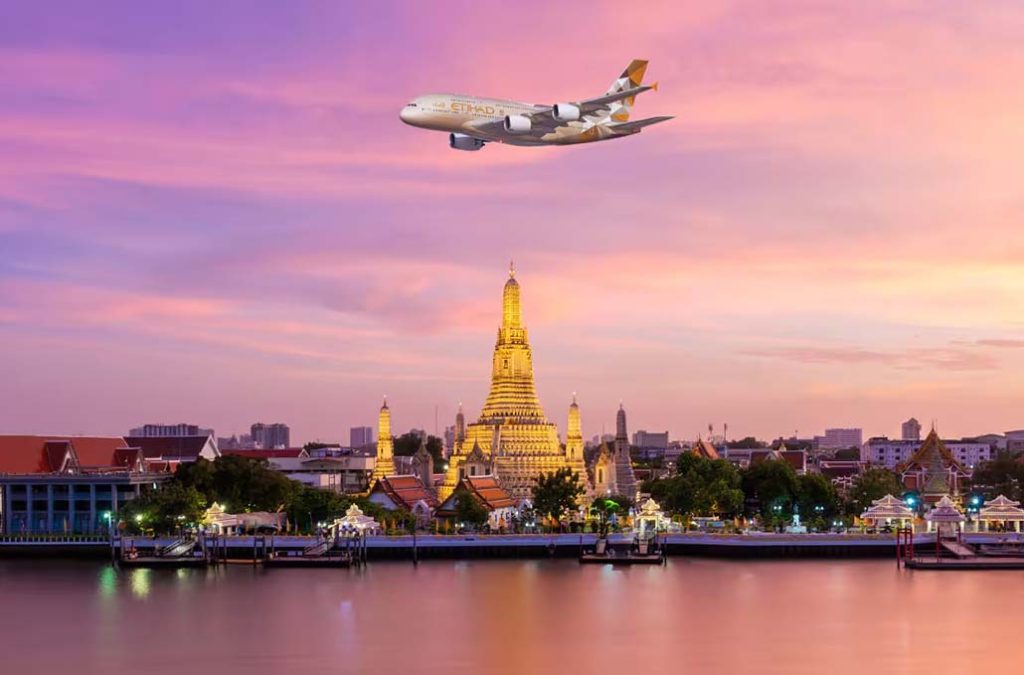
III. The Boarding Process: A Sense of Order Born of Efficiency
During boarding, I noticed a detail: most flights now board according to groups or cabin classes, with very clear announcements guiding the process.
There was virtually no chaos; everyone followed the instructions and boarded in an orderly fashion.
The moment I stepped into the cabin, the space suddenly fell quiet. The noise from outside was shut out, leaving only the sounds of luggage being stowed and seats being adjusted.
I had chosen a window seat—a decision that proved crucial, as it allowed me to observe the entire takeoff process.
IV. The Moment of Takeoff: Switching from “City” to “Aerial System”
As the plane taxied onto the runway, it gradually picked up speed, and the airport lights outside the window began to streak into long lines.
It was a unique sensation; you could clearly feel yourself transitioning from one system to another—moving from the ground transportation network into the aerial one.
The minutes surrounding takeoff aren’t actually complex, yet the emotional shift is palpable. The instant the plane left the ground, there was a very slight but distinct sense of “breaking away.”
V. In-Flight: Convenience Reflected in the Details
The flight itself was quiet, but I began to notice various “convenience-oriented designs.”
For instance, the cabin service was highly standardized: drinks, meals, and trash collection proceeded at a steady rhythm without disrupting passengers’ rest.
The seat design was also better suited for long periods of sitting than I had remembered; the backrest angle and sense of space offered ample comfort for a short-haul international flight.
More importantly, many flights now offer stable in-flight entertainment systems or Wi-Fi (depending on the airline). Even without an internet connection, one can watch content on the screen, ensuring the time doesn’t feel like a complete “void.”
I ordered an in-flight meal; while the taste naturally couldn’t compare to a restaurant on the ground, in the context of the flight, it served more as a “time marker” than a culinary experience.
VI. Approaching Bangkok: Observing the City’s Structure from Above
As we neared landing, I began observing the landscape of Thailand below.
Expanses of green appeared first, gradually giving way to a network of roads and, eventually, dense urban architecture.
There was a distinct sense of layering to this transition; rather than abruptly entering the city, it felt like a gradual “permeation.” As the plane descended to a lower altitude, I could clearly see highways, residential areas, industrial zones, and scattered commercial buildings.
My first impression of Bangkok was actually formed while still in the air—it is not a rigidly planned city, but rather an organic structure that is constantly expanding.
VII. Landing and Entry: Where Convenience Is Most Evident
After landing, my first impression of Suvarnabhumi Airport was that the procedures were clear and straightforward.
Following the signs after disembarking made it easy to find the immigration area. The signage was excellent, with clear markings in both Chinese and English, ensuring that even first-time visitors would hardly ever get lost.
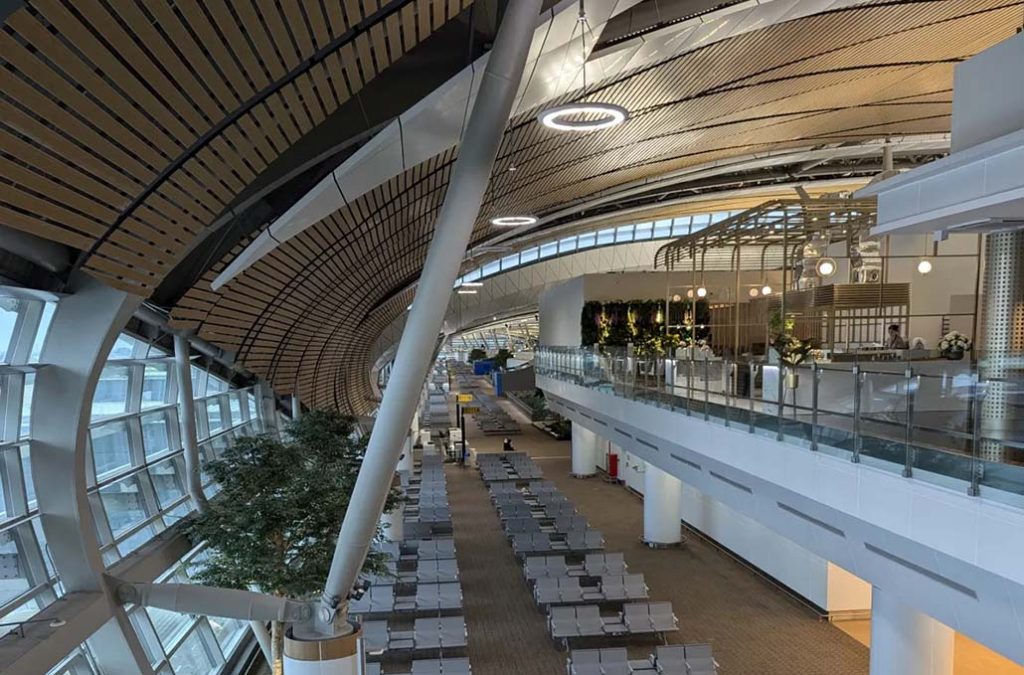
Although there were queues for immigration, the overall efficiency was impressive. Staff processed passengers steadily, minimizing the need for extra communication.
The baggage claim area was also intuitive; the carousels were clearly laid out, and the waiting time was reasonable.
One thing that particularly stood out to me was the airport’s layout and flow; the path through the terminal was so logical that there was almost no chance of heading in the wrong direction.
VIII. From Airport to City Center: Where True Convenience Shines
After leaving the airport, the crucial next step is getting into the city center.
Whether taking a traditional taxi or using a ride-hailing app, the process is now incredibly convenient. Clear signage and designated pickup points eliminate the need for the back-and-forth communication required in the past.
The journey from the airport to the city center takes anywhere from a few dozen minutes to an hour, depending on traffic conditions.
Looking out the window during the drive, I could clearly sense the city’s transformation: transitioning from the open spaces surrounding the airport into a dense network of roads, followed by the appearance of high-rises, commercial districts, and residential neighborhoods.
The entire journey felt seamless, with no sense of disjointedness.
The Meaning of a Flight Has Changed
Reflecting on this trip to Bangkok, my biggest takeaway is that a flight is no longer merely a tool for getting from point A to point B; it has evolved into a comprehensive chain of experiences.
From booking, check-in, and security screening to the flight itself, landing, immigration, and finally entering the city, every stage shapes your initial impression of the destination.
Ultimately, the most significant improvement in convenience lies not in any single feature, but in the smooth, uninterrupted flow of the entire process. For me, the biggest change this time was that, for the first time, I felt “flying” was no longer a hassle, but a journey to be truly experienced. It was through this very flight that Bangkok began to feel real to me.