
When I first arrived in Tokyo, I expected to be captivated by the city’s pace or its architecture. In reality, however, what stuck with me first was the food.
Tokyo’s culinary scene isn’t defined by a single style; rather, it is a multi-layered ecosystem: the everyday fare of convenience stores, the bustling atmosphere of street food, the single-minded dedication of specialty shops, and the refined artistry of high-end restaurants.
In this city, food is not merely an ancillary experience—it is an integral part of the fabric of daily life.
And so, instead of ticking off tourist attractions, I made food the central theme of my journey, allowing myself to gradually immerse myself in Tokyo.
Stop 1: Convenience Stores—A Gateway to Tokyo’s Authentic Daily Life
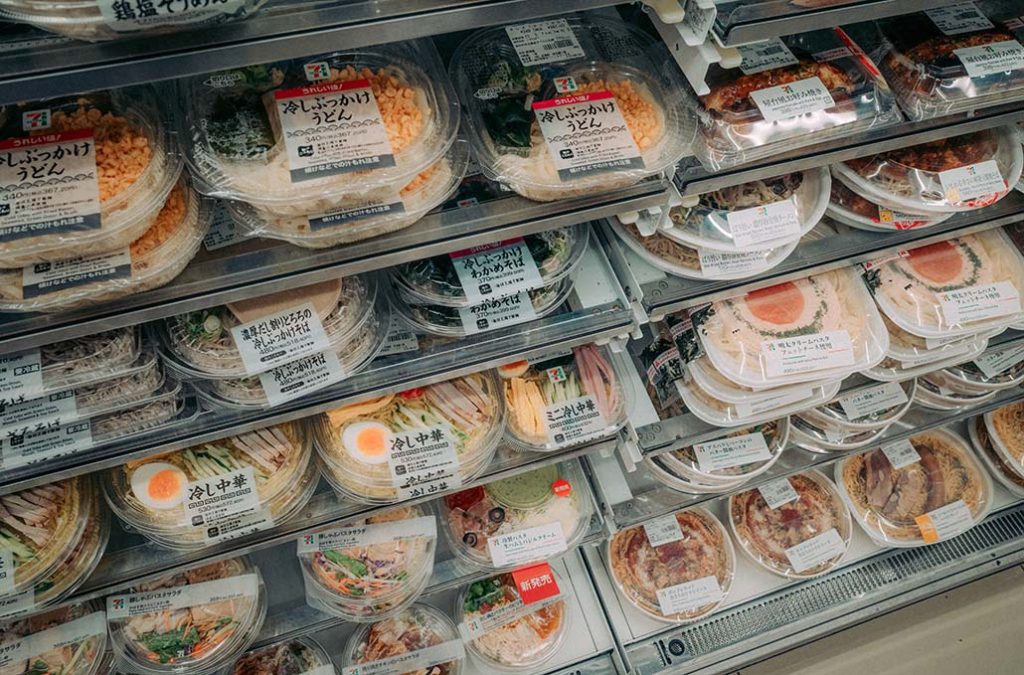
My very first meal in Tokyo was actually at a 7-Eleven. Many might not consider a convenience store a “culinary experience,” but in Tokyo, it is a completely different story.
The moment I stepped inside, I was amazed by the sheer variety. Rice balls, bento boxes, fried chicken, desserts, and coffee—each category was meticulously organized. I picked out a salmon rice ball, a chicken bento, and a hot coffee.
As I sat in a small corner outside the store finishing my meal, I realized that “everyday dining” in Tokyo has been standardized to an incredibly high level.
It wasn’t just about convenience; it was about consistency, cleanliness, and reliability. Though simple, that meal allowed me to truly tune into the city’s rhythm.
Stop 2: Tsukiji Market—Where the Taste of the Ocean Begins
Early the next morning, I visited the Tsukiji Outer Market. The place still retains a vibrant, authentic market atmosphere. The air was filled with a blend of scents—seafood, soy sauce, and charcoal smoke. The stalls were packed close together, yet the flow of people remained orderly.
I ordered a seafood rice bowl at a small shop. The sashimi was incredibly fresh, and the rice was served at the perfect temperature. With every bite, the taste of the ocean came through vividly. There was no complex seasoning—just the pure expression of the ingredients themselves. Afterward, I took a leisurely stroll through the market.
Each shop focused on a single type of food; that dedication to mastering one specific dish left a deep impression on me.
Stop 3: Ramen Shops—Soul Food for Tokyo’s Late Nights
One evening, I stepped into a ramen shop by the roadside. The shop was tiny, with barely a dozen seats. The owner focused intently on cooking noodles in the open kitchen, exchanging hardly a word with anyone.
I ordered a bowl of classic tonkotsu ramen. The broth was rich yet not greasy, the noodles had a perfect springy texture, and the chashu (braised pork) melted in my mouth. In that moment, I suddenly understood why ramen holds such significance in Tokyo. It is more than just food; it is a way to quickly recharge and reset.
Late at night in Tokyo, the streets fall silent, yet the ramen shops remain brightly lit. Some diners stop by after working late; others come in after a night out with friends. These shops serve as a sort of buffer zone for the city.
Stop 4: Sushi in Ginza—The Ultimate Experience in Minimalism
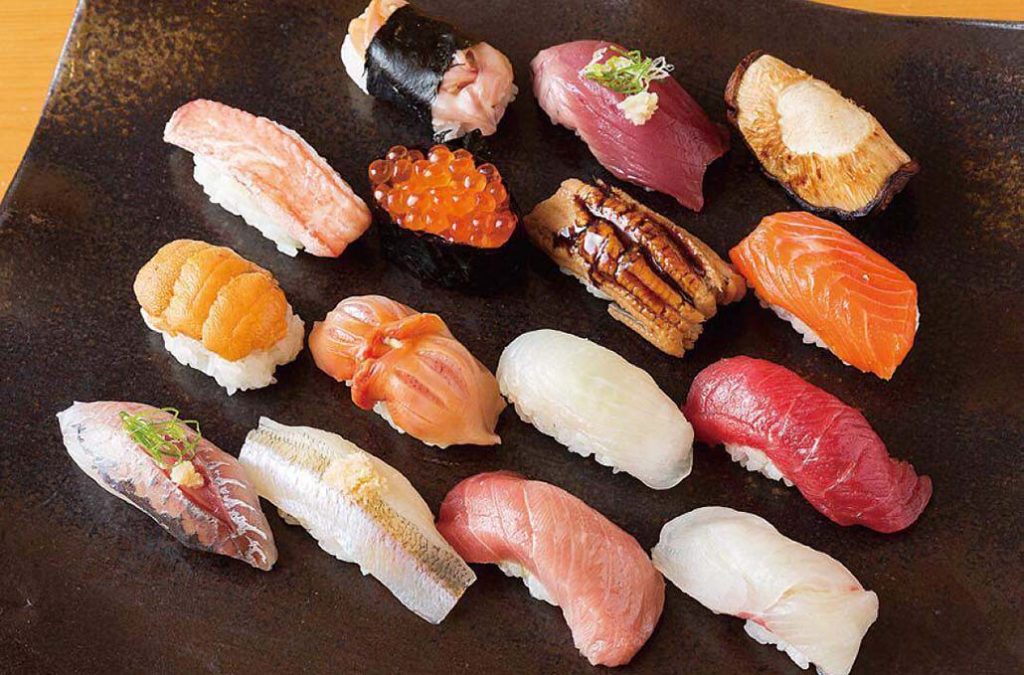
I had a reservation at a sushi restaurant in Ginza. The atmosphere here was a world apart from the previous spots—quiet, restrained, and virtually free of extraneous noise. The chef’s movements were incredibly precise, with every piece of sushi crafted right before my eyes.
What stands out most in my memory is a piece of tuna sushi. The moment I took a bite, the temperature of the fish and the rice felt perfectly aligned. The flavor was incredibly clean, unmarred by any unnecessary distractions. The entire meal unfolded at a leisurely pace. There was no music, no idle chatter—just the food itself.
This meal made me realize that high-end cuisine in Tokyo isn’t about complexity; it’s about minimalism.
Stop 5: Izakaya—The Human Touch of the Night
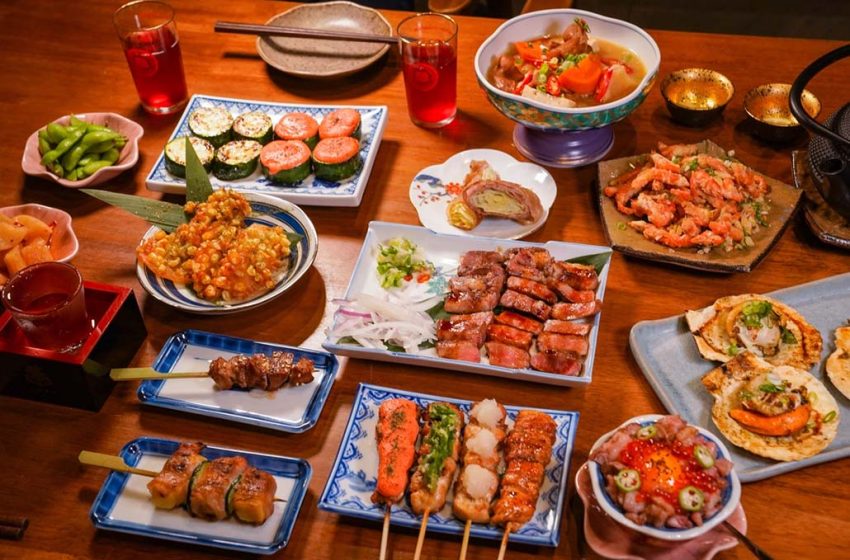
In the evening, I visited an izakaya in Shinjuku. The atmosphere was completely different from the daytime—warm lighting, the hum of conversation, and a relaxed vibe.
I ordered some yakitori (grilled chicken skewers), fried tofu, and a beer. At the next table, office workers were chatting over drinks, while the owner exchanged casual greetings with regulars. This atmosphere gave me a glimpse of the “non-tourist” side of Tokyo—not the polished or sightseeing-oriented version, but life itself.
Stop 6: Sweets and Coffee—The City’s Gentler Side
During my trip, I also visited several cafés. Tokyo’s coffee culture is incredibly mature; whether it’s a chain or an independent shop, the quality is consistently high.
I spent a long time at a café near Shibuya, ordering a pour-over coffee and a matcha dessert. Outside the window, a ceaseless stream of people flowed along the street, while inside, the space remained quiet. The contrast was fascinating: the city rushing by at high speed outside, while inside, you are allowed to temporarily slow down. Stop 7: Late-night Convenience Store Snacks—The Most Authentic Moments of a Trip
One night, returning to my hotel quite late, I stepped into a convenience store again. This time, I bought fried chicken, rice balls, and pudding. There was no sense of ceremony—just a simple meal. Yet, moments like these often feel the most authentic. No “checking in” for social media, no “curated experiences”—just everyday life.
And that is the brilliance of Tokyo: even the most ordinary meal never disappoints.
Tokyo’s Food Scene: A Structured Way of Life
As I left Tokyo, I realized that what stayed with me wasn’t any single restaurant, but an overall impression.
From convenience stores to markets, from ramen to sushi, and from izakayas to cafés—Tokyo’s culinary landscape isn’t just a collection of isolated experiences; it is a cohesive system.
What makes it special is that every tier is treated with care, and every type of food has its own place.