
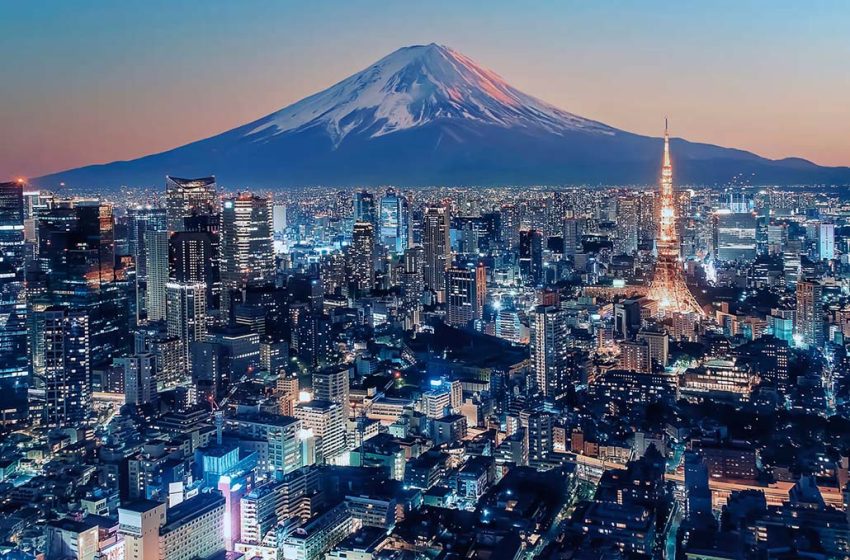
First Arrival in Tokyo: Shifting Gears Right from the Airport
Visiting Tokyo for the first time, I held a complex mix of expectations. It is a city magnified by countless films and TV shows, yet in reality, it is a metropolis defined by a high degree of order.
As the plane touched down at Narita International Airport, the view from my window revealed orderly runways and a low-density urban sprawl stretching into the distance.
There was no sudden jolt of shock, but rather a distinct feeling of “entering a system.” Everything was clean, quiet, and orderly. Clearing customs, collecting luggage, and boarding the train—every step of the process was designed for seamless flow. Even the pace at which the crowds moved seemed gently guided by some invisible set of rules.
The First Train Ride: A “Gradual Transition” from Airport to City
For the journey from Narita Airport to the city center, I chose the Narita Express. The scenery outside the window unfolded in distinct layers.
It began with vast open spaces, shifted to low-rise residential areas, and gradually transitioned into a dense urban landscape. I began to realize that Tokyo is not a city that simply “appears” all at once; rather, it is one built up through gradual layers.
Inside the train, it was remarkably quiet. Hardly anyone was making phone calls; passengers were mostly looking at their phones or resting. This quiet atmosphere created an intriguing contrast with the ever-changing cityscape outside.
First Impressions of Shinjuku: A High-Density City Wrapped in Order
Upon arriving in Shinjuku, my immediate impression was one of “density.” There were crowds, yet no chaos; the buildings were tall, yet not oppressive; the lights were plentiful, yet not glaring.
The station interior resembled a massive, fluid structure where crowds naturally diverged in different directions. I stood by the exit for a long while, observing. No one stopped to daze or loiter; everyone moved with a clear sense of purpose. This palpable sense of efficiency was my most immediate impression of Tokyo.
Yet, strangely enough, it didn’t induce anxiety; instead, there was a comforting sense of order—a feeling of being protected by the system.
Checking into the Hotel: Filtering the Rhythm of Tokyo
I stayed at a business hotel near Shinjuku. The room was compact but incredibly efficient, with every inch of space utilized intelligently.
Looking out the window, I watched the city lights gradually come to life. Tokyo at night took on a different character; it was no longer the fast-paced, rushing city of the day, but a stable, glowing urban network.
I sat in my room and unpacked my luggage. It’s a unique sensation—being in one of the world’s busiest cities, yet finding your room as quiet as a soundproof chamber.
Shibuya Crossing: A Moment of Chaos Within Order
The next day, I visited Shibuya Crossing—one of the places I was most eager to see in Tokyo.
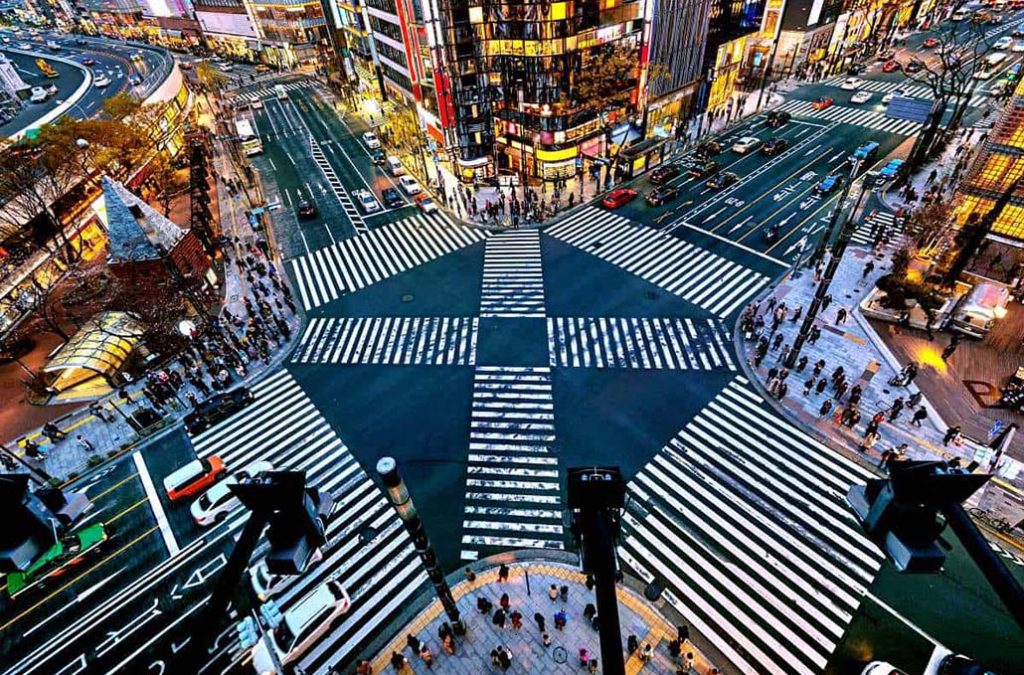
Standing at the edge of the intersection waiting for the light to change, I experienced the power of “synchronized movement” for the first time. The moment the light turned green, people from all directions began to move simultaneously. Yet, strangely, there were no collisions and no chaos. The flow of people parted, merged, and separated again as naturally as water.
Standing amidst the crowd, I felt something subtle: you are part of the throng, yet you remain distinct and independent.
Asakusa: Encountering the Old World in a Modern City
Stepping away from the frenetic pace of Shinjuku and Shibuya, I headed to Asakusa. Here, the rhythm slowed down noticeably. Senso-ji Temple stands at the heart of the area.
Although the temple grounds were still bustling with people, the atmosphere was distinctly different; it was a place for sightseeing and lingering rather than rushing about. The red lantern at Kaminarimon Gate was striking, and the shopping street was lined with stalls offering traditional snacks and souvenirs.
I strolled through slowly—deliberately so. This side of Tokyo felt like a completely different world from Shinjuku.
Akihabara: The Ultimate Expression of Another Side of Tokyo
Next, I visited Akihabara. If Shinjuku represents efficiency and Shibuya represents flow, Akihabara represents a “concentration of passions.” The streets are filled with electronics, anime culture, and a myriad of visual symbols.
The sensory input—sound, light, and information density—is intense. Yet, this high density isn’t chaotic; rather, it is a gathering of highly categorized elements.
I spent a long time in one shop, watching the spaces shift between different themes. Here, Tokyo’s diversity is amplified to the extreme.
Convenience Stores and Street Corners: Tokyo’s Everyday Life
One of my favorite parts of the trip was Tokyo’s convenience stores. Whether it’s 7-Eleven, FamilyMart, or Lawson, the quality is consistently reliable. The food is clean, the packaging is exquisite, and the selection is vast.
One evening, I bought an onigiri and a hot drink from a convenience store and sat in a quiet street corner to enjoy them. Surrounded by a peaceful residential neighborhood, that sense of “ordinary life” made me realize something: Tokyo is not just a tourist destination, but a highly sophisticated system for everyday living.
Tokyo at Night: The City Seems Reprogrammed
Tokyo at night is completely different from the daytime. Lights spill out from between the skyscrapers. People still fill the streets, yet the pace has noticeably slowed.
I walked the streets without a specific destination, simply moving with the flow of the crowd. At one point, I stood at an intersection, gazing at the surrounding neon lights.
It was as if the city had been illuminated anew, yet it remained orderly—never spiraling out of control.
A Day Trip to Kamakura: From Cityscape to Seashore
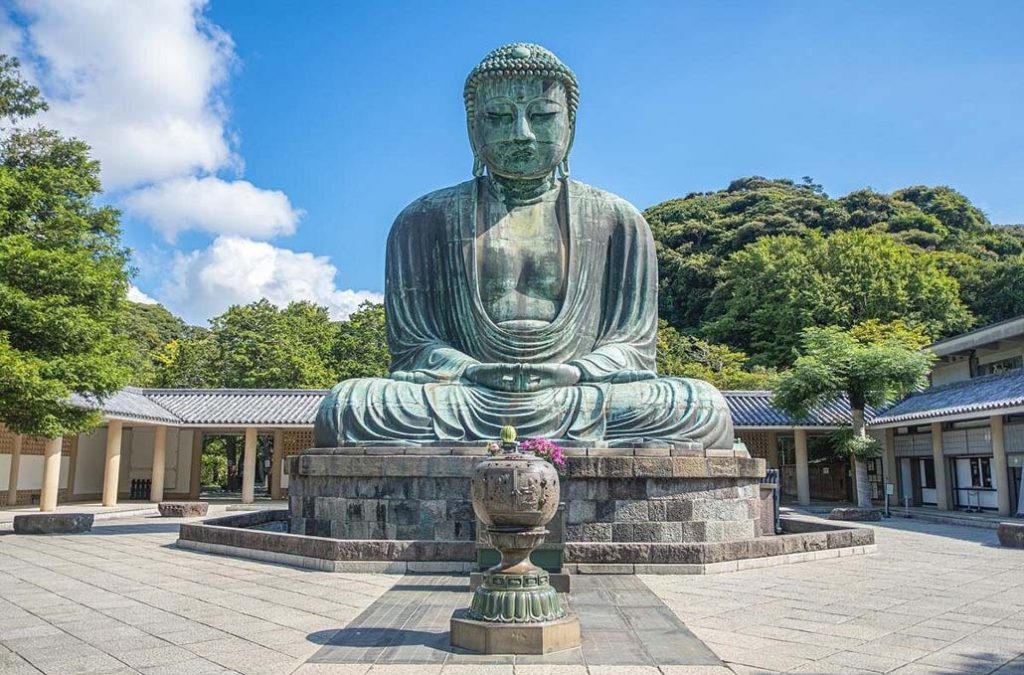
During my trip, I also visited Kamakura, located about an hour from Tokyo. The landscape shifts abruptly from high-density urbanity to the coastline.
The Great Buddha of Kamakura sits serenely amidst the wooded hills. The sea breeze, the temples, and the unhurried pace of life create a striking contrast. That day made me realize that the urban experience in Japan is multi-layered; Tokyo is simply the densest layer of them all.
Tokyo Is Not Just a City; It Is a System
As I left Tokyo, my most profound takeaway wasn’t the specific sights I had seen, but rather an understanding of how the city functions.
It doesn’t rely on a single attraction to draw people in; instead, the entire system sustains the experience. From airports, trains, and streets to convenience stores, commercial districts, and residential areas, every component operates in perfect coordination.
What makes Tokyo unique is its ability to maintain order amidst extreme density, while simultaneously allowing you to find freedom within that order.